Trigger Point Injections for TMD: A Targeted Approach to Jaw Pain
Article by Dr. Kelly Robertson
Jaw pain can be frustratingly persistent. In certain cases, trigger point injections can be a very effective treatment.

Temporomandibular disorders (TMD) are disorders that relate to the jaw joint and muscles that assist with jaw movement (1). TMD can cause pain and stiffness in the jaw, and even contribute to headaches. Trigger point injections are a minimally invasive approach that target tight muscles in the jaw with the goal of diminishing pain and discomfort (2).
Understanding Trigger Points and Their Role in TMD
Trigger points are tight bands of muscle tissue, commonly referred to as “muscle knots” (2). These knots can develop due to overuse, stress, or injury, leading to localized and referred pain (2). In patients with TMD, trigger points often form in the masseter, temporalis, and pterygoid muscles, contributing to jaw pain, tension headaches, and restricted movement.
Trigger point injections help alleviate this pain by delivering medication directly into these areas of tension. The treatment typically involves a local anesthetic, sometimes combined with 5% dextrose to reduce pain while allowing the muscles to relax.
Benefits of Trigger Point Injections for TMD
- Improvement in Pain Scores: Many patients experience rapid pain reduction following treatment (2).
- Improved Jaw Function: Trigger point injections can improve jaw movement by relieving muscle tightness (2).
- Complementary to Other Therapies: Trigger point injections can be combined with physical therapy, pain medication, and oral appliances for a comprehensive treatment approach (2).

What to Expect During the Procedure
After an assessment of the area has been done, trigger point injections can be performed in a follow up appointment. The procedure consists of:
- Identifying the trigger points through palpation and assessment.
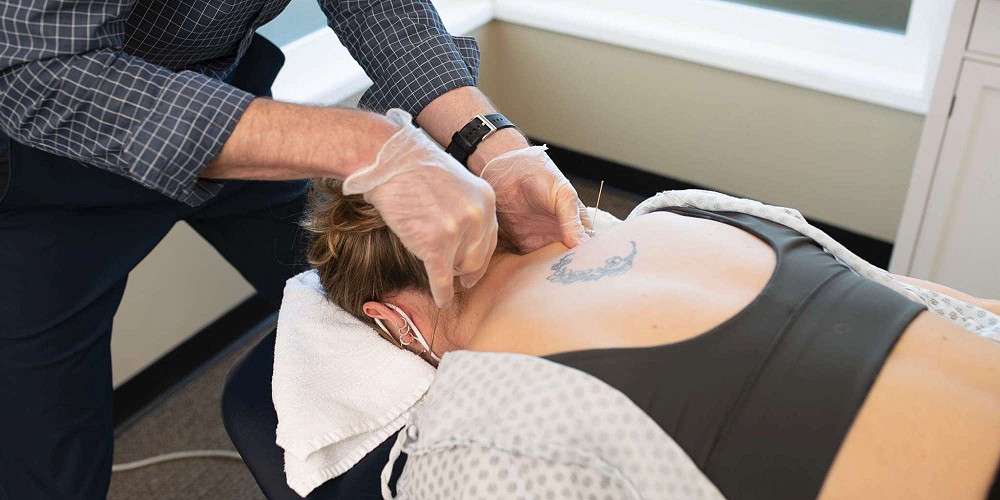
- Injecting the medication using a fine needle directly into areas of the affected muscles.
Most patients tolerate the procedure well and may feel substantial relief within a few treatments. Some may experience mild soreness at the injection site, which typically resolves quickly.
Is Trigger Point Injection Right for You?
Trigger point injections are most effective for individuals with TMD-related muscle pain and tension. If conservative treatments like jaw exercises, stress management, and oral splints have not provided sufficient relief, trigger point injections may be a suitable option.
Have more questions? Please feel free to contact us. We are here to help.
References
You May Also Like...
-
 ArticleView Post
Sarcopenia - Age Related Muscle Atrophy
Sarcopenia is a natural, progressive loss of skeletal muscle as we age. Fortunately, this process can be slowed down.
-
 ArticleView Post
3 Simple Steps to Reduce Knee Pain While Walking
Walking is a great form of exercise! And with these three simple tips you can make your daily walk an even more pleasant experience.
-
 ArticleView Post
An Overview of Intramuscular Stimulation
Take a technical overview of IMS, a dry needling technique used to stimulate trigger points and reduce chronic myofascial pain.