PRP for Rotator Cuff: Hype or Real Healing Power?
Article by Dr. Kelly Robertson
Rotator cuff injuries are one of the most common causes of shoulder pain and disability. Whether from repetitive overhead activity, age-related wear or an acute injury, damage to the rotator cuff tendons can make everyday tasks — reaching, lifting, even sleeping — painful and frustrating. While physical therapy remains the foundation of treatment, many patients reach a point where they need something more. That's where platelet-rich plasma (PRP) therapy comes in.

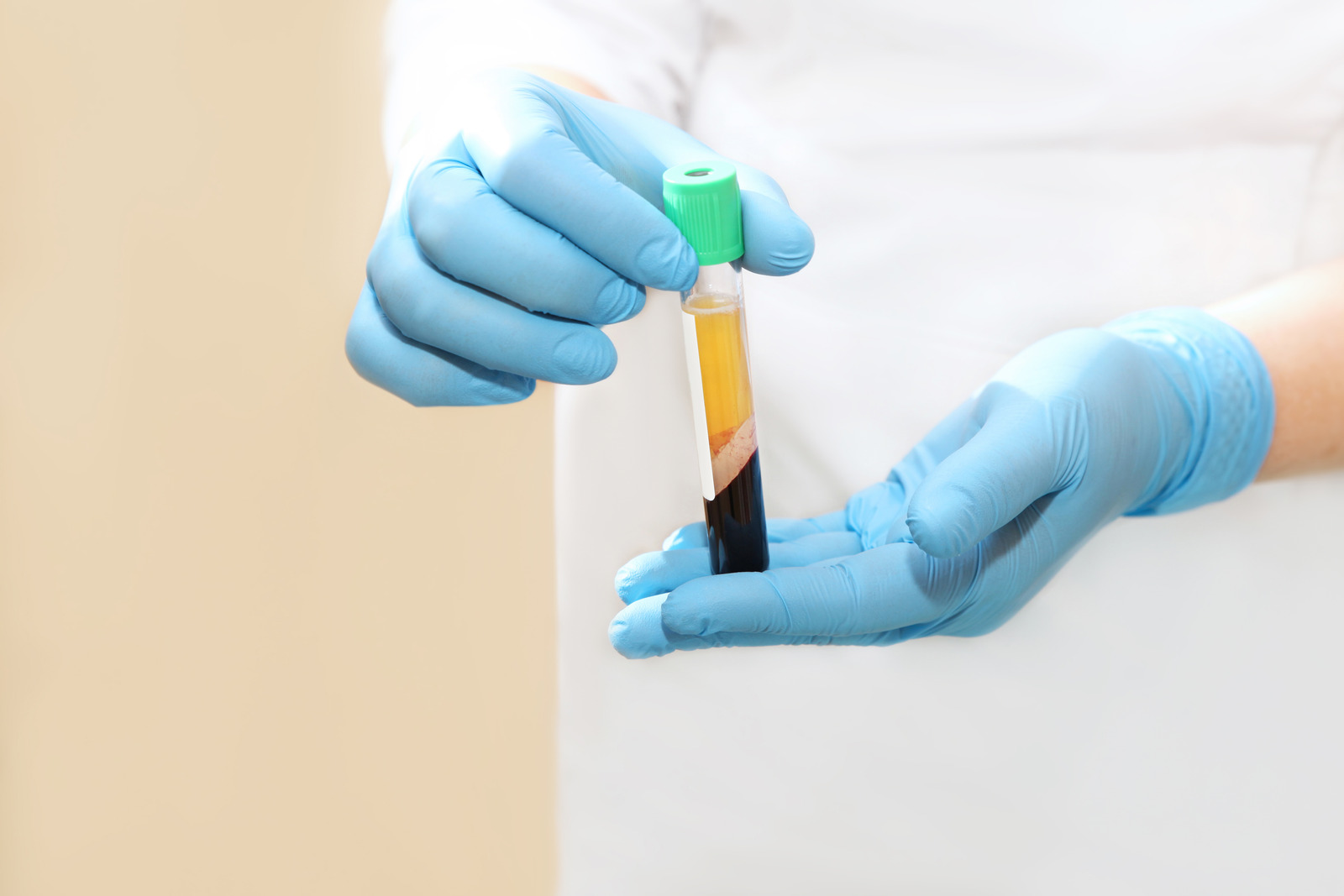
What Is PRP?
PRP is a regenerative injection therapy that uses a concentrated preparation of your own blood platelets. A small blood sample is drawn and processed in a centrifuge to isolate the platelets — cells packed with growth factors and proteins that play a key role in tissue healing. This concentrated solution is then injected directly into the injured tendon under ultrasound guidance to promote repair and reduce inflammation. Unlike cortisone, which simply masks pain and can weaken tendons over time, PRP works with your body's natural healing processes to address the underlying problem.
What Does the Research Say?
The evidence supporting PRP for rotator cuff conditions has grown substantially in recent years, with multiple high-quality studies and meta-analyses now available.
PRP Outperforms Cortisone for Long-Term Relief
Head-to-head studies comparing PRP to corticosteroid injections consistently show that while cortisone may provide faster initial relief in the first few weeks, PRP delivers superior and more durable results over the medium and long term.
A 2026 meta-analysis of 10 randomized controlled trials (591 patients) found that PRP significantly improved shoulder function scores and pain levels at 6 months compared to cortisone, with fewer side effects. A 2024 double-blind randomized trial of 100 patients with rotator cuff tendinopathy showed that PRP was significantly superior to cortisone across all outcome measures at 12 months.
PRP Is Safe and Well-Tolerated
Across all major studies, PRP has been consistently reported as safe, with no significant treatment-related adverse events. Because PRP is made from your own blood, there is virtually no risk of allergic reaction or rejection.
PRP May Protect Your Tendons
An important advantage of PRP over cortisone is its effect on tendon health. Cortisone has a catabolic (breakdown) effect on tendons, whereas PRP, may have an anabolic (building) effect, potentially supporting tendon integrity rather than weakening it.
PRP After Rotator Cuff Surgery
For patients who do require surgical repair of a full-thickness rotator cuff tear, PRP used during surgery has been shown to significantly reduce the rate of re-tears. A large meta-analysis of 18 randomized controlled trials found that PRP reduced long-term re-tear rates, particularly in patients with tears involving multiple tendons.
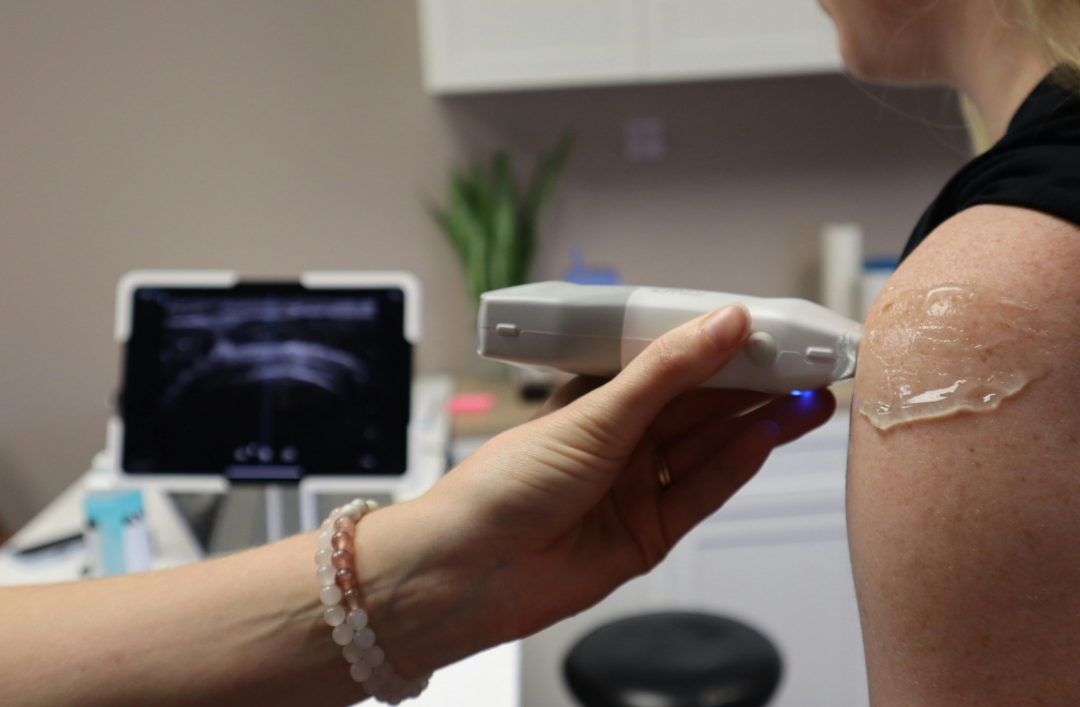
Why Ultrasound Guidance Makes a Difference
Not all injections are created equal. The accuracy of needle placement matters — especially when treating the rotator cuff, where the target structures are deep and surrounded by other important anatomy.
Ultrasound-guided injections allow the provider to visualize the needle in real time as it advances toward the target tissue. This means the PRP can be delivered precisely where it is needed — into or around the damaged tendon — rather than relying on anatomical landmarks alone.
Research has shown that landmark-based (blind) shoulder injections miss their intended target in up to 30% or more of cases. A meta-analysis of 12 randomized controlled trials (891 patients) found that ultrasound-guided injections provided significantly better pain relief and functional improvement compared to landmark-guided injections for shoulder conditions.
Who Is a Good Candidate for PRP?
PRP may be a good option for patients who have:
- Rotator cuff tendinopathy (tendon irritation or degeneration) that has not responded to physical therapy
- Partial-thickness rotator cuff tears being managed without surgery
- Shoulder pain where cortisone injections have provided only temporary relief or are no longer recommended
What to Expect:
The procedure is performed in the office and typically takes about 60-90 minutes, including the blood draw and preparation time. Most patients experience mild soreness at the injection site for a few days. A structured rehabilitation program is recommended after the injection to optimize results. Improvement is typically gradual, with meaningful gains in pain and function developing over weeks to months — reflecting the biological healing process that PRP supports.
The Bottom Line:
PRP represents a safe, evidence-based treatment option for rotator cuff injuries that works with your body rather than against it. When delivered with ultrasound guidance for precision, PRP offers a compelling alternative to cortisone — particularly for patients seeking longer-lasting relief and tendon preservation.
You May Also Like...
-
 ArticleView Post
Frozen Shoulder: Causes, Symptoms, & Treatment
Frozen shoulder (adhesive capsulitis) is a painful shoulder condition of gradual onset that is associated with stiffness and difficulty sleeping on the affected side.
-
 ArticleView Post
MOVE: An Approach to Treating Acute Injuries
M.O.V.E. has been proposed as the new standard treatment approach for acute injuries – but what does it mean?
-
 ArticleView Post
Understanding Your Pain
Do you think having a better understanding of the nature and cause of your pain would help your recovery process?